Google created the Early Access program to help developers gather feedback before releasing finished applications. However, the feature appears to have become an attractive destination for some developers who may exploit one important aspect: users cannot leave public reviews or ratings while an app remains in Early Access.
An analysis of Google Play apps installed by Bitdefender users reveals thousands of Early Access applications that appear to include fake casino games and reward apps, as well as titles that may infringe on third-party trademarks and potentially misleading utilities.
Many are aggressively promoted through TikTok, Facebook, and other social media platforms using misleading advertisements that include videos using AI-generated celebrity deepfakes.
The result is an ecosystem in which consumers have almost no way to warn one another before installing questionable software.
Key Takeaways
- Google’s Early Access program disables public ratings and reviews.
- Many deceptive developers appear to exploit this limitation.
- Numerous Early Access listings promise money, rewards, casino winnings, or premium content.
- Users cannot publicly warn others if an app is misleading.
- Trademark-infringing titles are also appearing inside Early Access.
- The lack of transparency makes it significantly harder for consumers to distinguish legitimate beta software from deceptive applications.
What is Google Play Early Access?
Google launched Early Access to give developers a platform to publish unfinished or still-in-development applications and collect feedback from early adopters.
Instead of waiting for a polished release, developers can test features, fix bugs, and improve performance based on user experiences. This platform would also help independent developers avoid poor ratings due to temporary bugs or missing features.
This sounds great, in theory, but the problem is that Early Access removes one of Google Play’s most important trust signals: public reviews and star ratings.
New users can’t see whether previous users faced scams, annoying ads, fake casino payouts, or other misleading claims.
Why scammers are increasingly attracted to Early Access
Several characteristics make Early Access unusually attractive to operators running misleading applications.
Public reviews disappear. The biggest incentive is simple. Users can’t publicly warn one another if the app floods users with ads, if a reward app never actually pays or if a fake utility app demands excessive permissions. And that’s only a handful of “ifs” as there are countless other scenarios in which users cand be tricked.
A normal release would quickly accumulate one-star reviews, which would be a good signal for others to avoid it.
Fake money-making apps become much harder to identify. A recurring pattern among suspicious Early Access apps involves promising cash rewards, PayPal payouts, cryptocurrency earnings, gift cards, free spins or casino jackpots.
Many of these applications rely on the same engagement loop. The user installs the app after watching an advertisement on TikTok or Facebook. They might even receive generous virtual rewards almost immediately, but when they reach a withdrawal threshold, progression slows dramatically. The promised payout will never arrive.
Instead, the application continues serving advertisement after advertisement, which is likely the intended use for the developers: to make money by showing ads to as many people as possible.
The anatomy of an “Early Access ghost casino”
Legitimate gambling applications face strict regulatory requirements. Depending on jurisdiction, they often require licensing, geofencing, age verification and many other regulatory measures.
Many suspicious Early Access casino-style apps avoid those expectations entirely because they don’t necessarily present themselves as regulated gambling products.
Instead, they resemble casual slot games, reward games, or puzzle titles. People are first tricked into installing the apps by being redirected from ads on social media. Many of these ads blatantly use deepfakes of famous athletes, actors or other public figures that tell everyone how you’re getting 250 spins for free. Of how you only need to cross the road as a chicken without being run over.
Random users on TikTok, for example, make videos of themselves instantly receiving the money in their accounts. To be fair, TikTok or Facebook are usually quick to take down these ads and videos, but that doesn’t stop the attackers from coming up with new scenarios.
Here are some screenshots from TikTok ads using deepfakes:
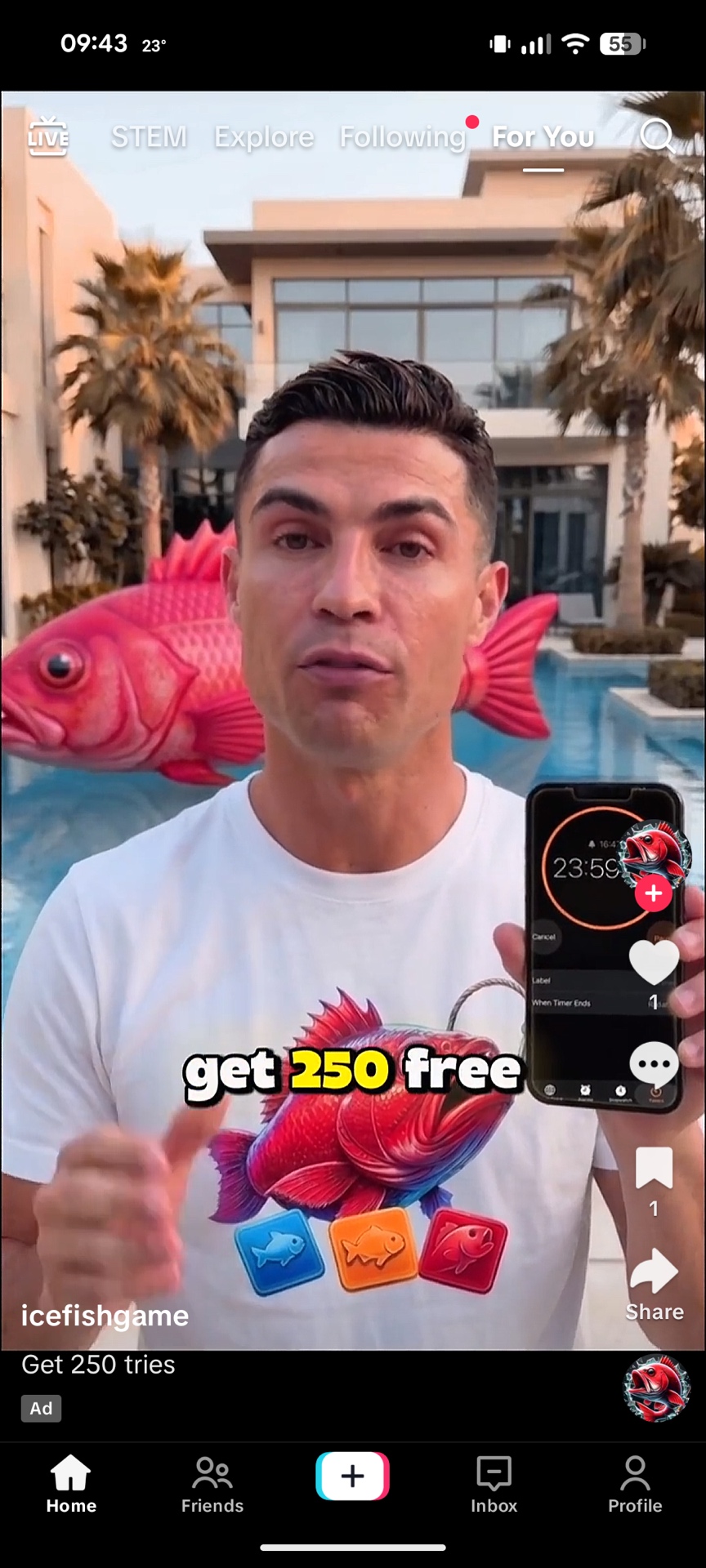
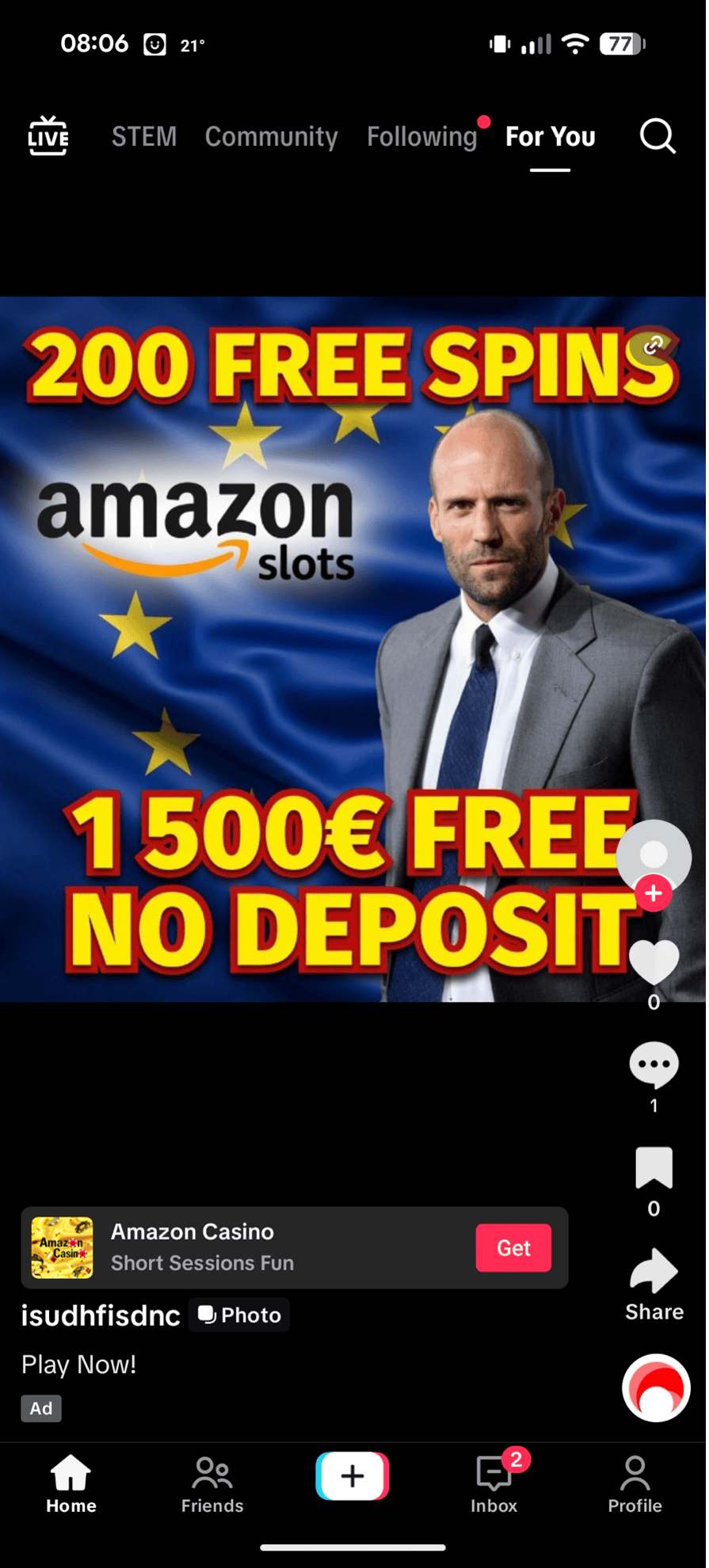
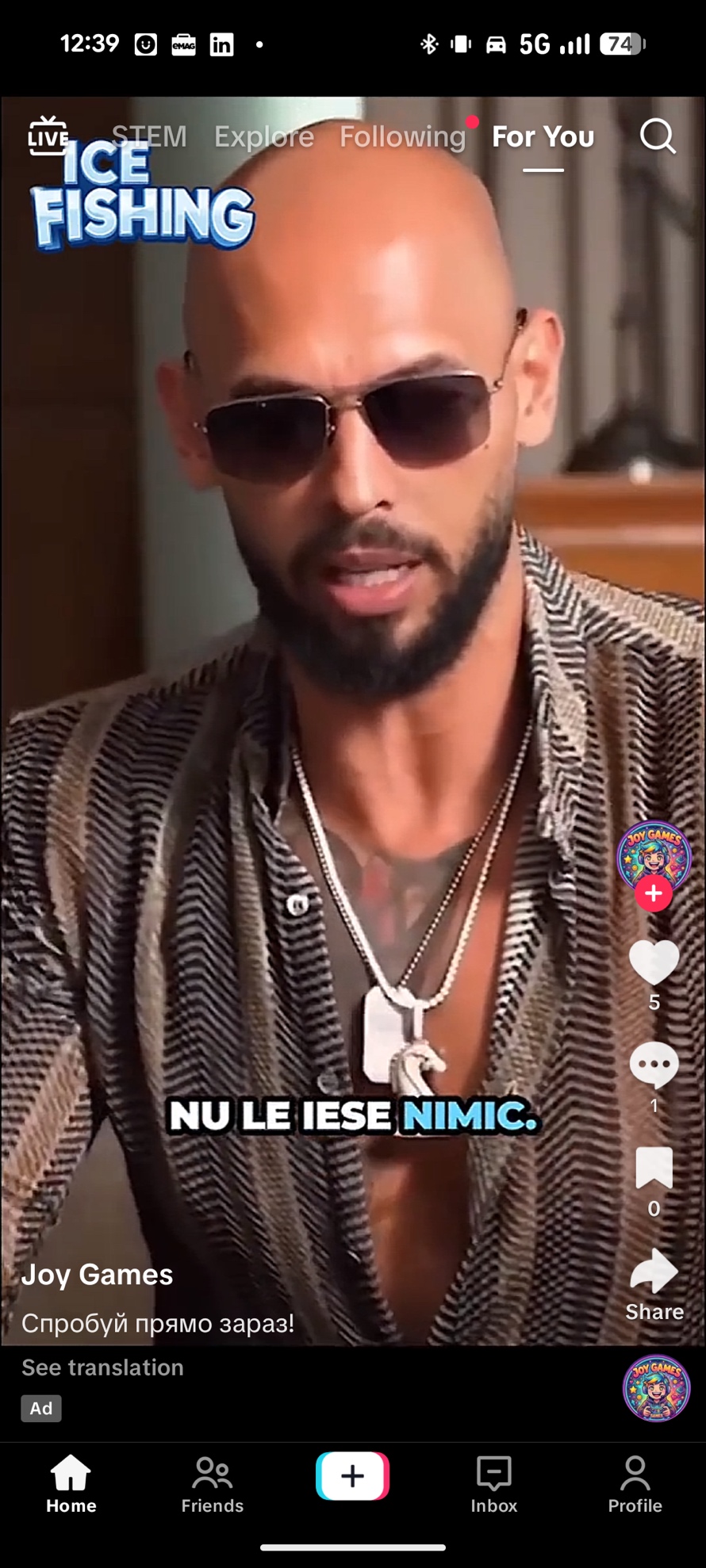
When active, some of these ads pointed to Early Access apps in the Google Play Store or directly to various gambling websites.
Chicken Road or Ice Fishing games
Some of the most abused titles for game are Chicken Road or Ice Fishing (or variations on the same theme) that all promise the same thing: to multiply the money you invest. The ads make it seem like it’s very easy. Just help the chicken cross the road, and every time you don’t get hit by a car, you double your money.
This is just one example, but there are numerous others. This one is still active; others have been deleted and new ones arrive all the time.


Trademark abuse appears surprisingly common
The Early Access catalog also contains applications that appear to borrow well-known intellectual property, some more blatantly than others.
Some titles appear to be designed to resemble legitimate games or established brands, despite having no visible connection to the original publishers.
A popular strategy is to add an app to the Google Play Store using an established name. Let’s take the GTA franchise. As it stands right now, there are at least two games that use this technique. Both of them were uploaded with the name Grand Theft Auto V (Early Access), only to be renamed later, after being indexed by Google search, to something entirely different.
The screenshot below illustrates only a small sample of Early Access listings collected during the investigation, including multiple apps referencing recognizable brands and casino-style mechanics.Here’s another example of a game trying to copy the Grand Theft Auto franchise. It had the actual name for a while, only to change it to something else. The game screenshots in the store are likely from consoles or the PC versions of the game.

Here’s another example of a game trying to copy the Grand Theft Auto franchise. It had the actual name for a while, only to change it to something else. The game screenshots in the store are likely from consoles or the PC versions of the game.

Now, the same game has a completely different title and screenshots (AI-generated, not even representative of gameplay). In fact, the entire game is designed to serve aggressive ads and when or if you actually manage to actually play the game, you will notice it looks nothing like what they are showing in the presentation.
Keep in mind that they boast more than 1 million downloads, but the game has no reviews or ratings, which is usually a good indicator that it’s in the Early Access program.

Evidence suggests the problem is widespread
During this investigation, a review of Early Access listings identified a large number of applications spanning several recurring categories.
These included:
- casino games
- slot machines
- fake reward apps
- “earn money” applications
- PDF readers
- QR scanners
- phone trackers
- utility apps
- trademark-themed games
Some developers appear multiple times under different application names, and many games and apps are virtually identical, with small differences. Several listings also accumulated thousands of installs or more despite remaining in perpetual Early Access.
In fact, we also noticed a large number of PDF readers and QR scanners present in the Early Access program, many of which were actually the same app uploaded by seemingly different developers.
The screenshots collected during the investigation represent only a fraction of the overall catalog.
Why this matters
Google Play’s reputation depends on trust. Ratings and reviews help users make informed decisions, but when those indicators are not present, it makes the users’ job a lot more difficult when they are trying to spot fakes.
Removing the comments and ratings protects legitimate developers from unfair review bombing, but it also removes one of the community’s strongest defenses against deceptive software.
Conclusion
Google’s Early Access program remains a valuable tool for developers testing new ideas. However, our insights suggest that its current implementation also creates an environment where deceptive applications can operate with far less public scrutiny than fully released apps.
When users cannot leave reviews, future users lose one of the most effective warning systems available on any app marketplace.
As fake reward apps, casino-style games, and misleading utilities continue appearing under the Early Access banner, the question is no longer whether the program can be abused.
Users are much quicker to trust an app or game that comes from an official source like the Google Play Store, which is why the Early Access feature is so dangerous.
This article is published for informational and educational purposes only. The information presented is based on technical research conducted by Bitdefender Labs and publicly available sources. Bitdefender does not make any legal determination regarding the activities described herein. The mention of any company, brand, domain, or individual does not constitute an accusation of illegal activity. All trademarks mentioned belong to their respective owners. Readers should exercise their own judgment and consult appropriate authorities or legal counsel if they believe they have been affected by any of the activities described. Domain names and URLs listed in this article are provided solely to help consumers and security professionals identify potentially harmful infrastructure. Bitdefender disclaims any liability for actions taken based on the information in this article.
Midnight Mimosa malware in Android firmware with system level privileges
Posted in Commentary with tags Bitdefender on October 8, 2026 by itnerdBitdefender found Midnight Mimosa malware preinstalled in the firmware of thousands of inexpensive Android phones being sold across 150+ countries. Researchers said: “The malware ships preinstalled in the device firmware, and (was) found multiple system packages involved, depending on the device. It’s on the phone before the owner switches it on for the first time, and it can’t be uninstalled.
“The malware runs with system-level privileges that allow it to silently install and remove apps, grant permissions, and load arbitrary code supplied remotely. This essentially means its operators could install and delete apps at will, tuning each device to their needs, including making them part of large botnets. This scheme is likely designed mainly to generate revenue,” the reviewers said.
Western Europe and the Americas are “centers of gravity” for the infected devices.
Ted Miracco, CEO, Approov:
The uncomfortable takeaway from Midnight Mimosa is that you can’t assess an app’s security in isolation from the environment it runs in.
If malware is embedded in firmware before a phone even reaches the customer, trust is undermined before the first login. The user didn’t have to download a malicious APK. The app didn’t necessarily do anything wrong. The underlying device was already compromised.
For organizations protecting mobile APIs, this raises a bigger question: Should a successful login be enough to trust a mobile request?
The answer is no. Authentication verifies user credentials; it does not establish the integrity of the app or device making the request. App attestation and runtime integrity signals provide additional evidence that should inform API access decisions.
Crucially, those decisions should be enforced outside the potentially compromised device, using remotely evaluated integrity checks and backend verification.
When compromise occurs below the application layer, app and device integrity need to become part of the API security decision—not assumptions sitting underneath it.
Roland Lindsey, Lead Solutions Engineer, Finite State:
“This is why there is no substitute for binary analysis on the shipping firmware. Source trees and build processes are aspirational. If you aren’t looking at what ships to the customer, you are running blind.”
Phil Wylie, Senior Consultant & Evangelist, Suzu Labs:
“This is a serious supply chain security issue because these devices are potentially compromised before consumers ever turn them on. When malware is embedded in firmware, traditional security tools may have limited visibility, and consumers have little chance of identifying or removing the threat.
“One of the biggest blind spots is the lack of oversight into third-party firmware, preinstalled applications, and software components supplied by outside vendors. Manufacturers need to take responsibility for the entire software supply chain, not just the components they develop themselves.
“Firmware integrity checks, cryptographic signing, secure boot, and independent security testing should be standard practices before devices ship. Security needs to start at manufacturing, not after a compromised device reaches the consumer.”
This is a serious problem as there are millions of Android phones out there and a lot of them are on the cheaper side. This may make people decide to go more upscale if they want a phone that doesn’t have unwanted guests.
Leave a comment »